
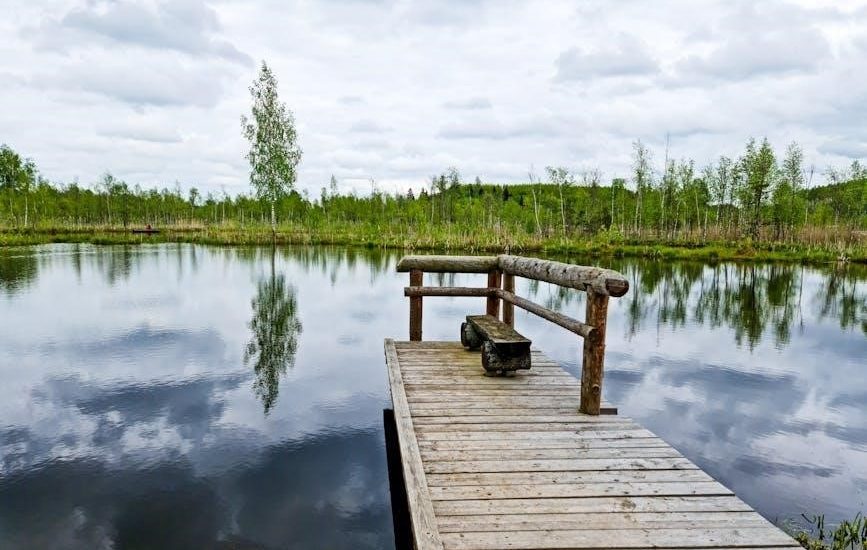
New Florida Retention Pond Laws: A Comprehensive Overview (Updated 04/07/2026)
Florida’s evolving regulations concerning retention ponds aim to balance crucial stormwater management with ecological preservation, offering resources via the FWC website.
Recent legislative updates emphasize responsible pond upkeep, encompassing permitting, design, maintenance, and wildlife considerations, all detailed in accessible PDF documents.
These laws address pollutant control, algae management, and inspection protocols, ensuring compliance and minimizing environmental impact, with guidance available from county governments.
The FWC provides tools for resolving wildlife conflicts and promoting conservation efforts, alongside information on engaging in responsible pond management practices for all landowners.
Understanding these regulations is vital for property owners, developers, and local authorities to maintain effective stormwater control and protect Florida’s natural resources.
Florida’s retention pond regulations are a cornerstone of its comprehensive stormwater management strategy, designed to mitigate flooding risks and safeguard water quality across the state. These regulations, frequently updated and accessible in PDF format through the Florida Fish and Wildlife Conservation Commission (FWC) and local county governments, reflect a commitment to balancing development with environmental protection.
Retention ponds, also known as stormwater ponds, are engineered basins that temporarily store excess runoff, releasing it at a controlled rate. This process reduces the strain on drainage systems, prevents erosion, and filters pollutants before they reach natural waterways. The regulations govern all aspects of pond construction, operation, and maintenance, from initial permitting to long-term upkeep.
The FWC plays a vital role in these regulations, particularly concerning wildlife considerations within and around retention ponds. Their resources offer guidance on managing invasive species, protecting native habitats, and resolving conflicts between wildlife and human activities. Understanding these regulations is crucial for property owners, developers, and local authorities to ensure compliance and contribute to a sustainable environment.
Historical Context of Retention Pond Laws in Florida
The evolution of Florida’s retention pond laws is deeply rooted in the state’s rapid population growth and increasing urbanization throughout the latter half of the 20th century. Early stormwater management practices were often inadequate, leading to frequent flooding and significant environmental damage. The need for more robust regulations became increasingly apparent as development encroached upon natural wetlands and drainage systems.
Initial regulations, primarily focused on flood control, gradually expanded to incorporate water quality concerns. Landmark legislation in the 1980s and 1990s mandated the construction of retention ponds as a standard component of new developments. These early laws laid the foundation for the comprehensive framework that exists today, with detailed guidelines available in PDF documents from the FWC and local authorities.
Subsequent amendments have addressed emerging challenges, such as invasive species management and the need for improved pond maintenance practices. The ongoing refinement of these laws reflects a commitment to adapting to changing environmental conditions and ensuring the long-term effectiveness of stormwater management strategies.
The Role of the Florida Fish and Wildlife Conservation Commission (FWC)
The Florida Fish and Wildlife Conservation Commission (FWC) plays a crucial, multifaceted role in the oversight and management of retention ponds across the state. While not the primary regulatory body for pond construction – that responsibility largely falls to local water management districts – the FWC’s focus centers on the ecological aspects of these systems.
The FWC provides extensive resources, readily available as downloadable PDF guides on their website, concerning wildlife considerations within retention ponds. This includes guidance on protecting native species, managing invasive plants and animals, and addressing potential human-wildlife conflicts. They offer assistance in resolving issues like nuisance alligators or problematic waterfowl.
Furthermore, the FWC actively promotes responsible pond management practices that benefit both water quality and wildlife habitat. Their “Pond Management” section details best practices and offers support for landowners seeking to enhance the ecological value of their retention ponds, ensuring a balanced approach to stormwater control.

Key Changes in Recent Retention Pond Legislation
Recent amendments to Florida’s retention pond laws, detailed in updated PDF documents from various sources, prioritize enhanced water quality standards and increased ecological responsibility. A significant shift involves stricter regulations regarding nutrient runoff and pollutant levels entering retention ponds, demanding more robust filtration and treatment systems.
Legislative changes also emphasize proactive algae control measures, moving beyond reactive treatments to preventative strategies. Pond owners are now required to implement comprehensive vegetation management plans, focusing on native plant species to improve habitat and reduce invasive growth.
Furthermore, inspection protocols have been intensified, with increased frequency and more detailed reporting requirements. These changes aim to ensure consistent compliance and prompt corrective action for any identified violations, safeguarding Florida’s valuable water resources and ecosystems. The FWC provides guidance on these new standards.
Permitting Requirements for New Retention Ponds
Obtaining permits for new retention ponds in Florida, as outlined in the latest PDF guides, involves a multi-stage process with stringent requirements. Initial applications necessitate detailed site plans demonstrating adherence to updated design standards, including specific dimensions, slope stability calculations, and proposed erosion control measures.
Applicants must submit comprehensive hydrological studies proving adequate stormwater storage capacity and discharge rates. Environmental impact assessments are crucial, evaluating potential effects on wetlands, wildlife habitats, and water quality. Coordination with local water management districts is essential throughout the permitting phase.
The permitting process also requires demonstrating a long-term maintenance plan, including scheduled inspections, debris removal, and vegetation control. Failure to meet these requirements can result in permit denial or costly modifications, emphasizing the importance of thorough preparation and compliance.
Regulations Regarding Existing Retention Ponds
Florida’s new retention pond laws, detailed in recent PDF publications, significantly impact existing pond owners. Grandfathered ponds aren’t exempt; they must now comply with updated water quality standards and maintenance protocols. A key regulation focuses on retrofitting ponds to address deficiencies in storage capacity or erosion control, as identified through mandatory inspections.
Owners are responsible for implementing algae control strategies and managing invasive species, documented through regular reporting to relevant authorities. Modifications requiring permitting include alterations to pond dimensions, discharge structures, or surrounding buffer zones.
The FWC offers resources for resolving wildlife conflicts arising from existing ponds, emphasizing responsible management practices. Non-compliance can lead to corrective action orders and associated fines, highlighting the need for proactive assessment and adherence to the revised regulations.
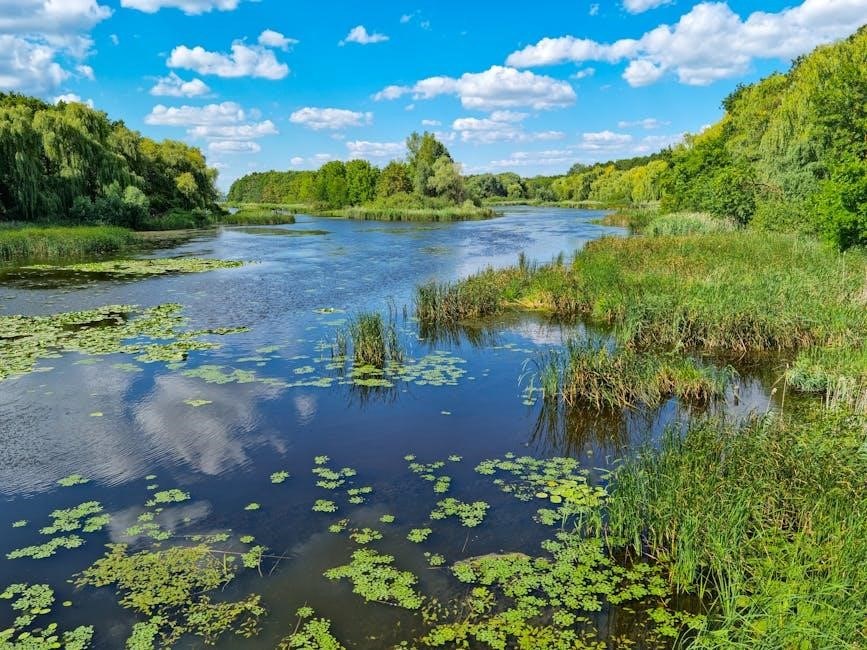
Retention Pond Design Standards
The latest Florida retention pond laws, comprehensively outlined in updated PDF documents, mandate stringent design standards for all new construction. These standards prioritize effective stormwater management while minimizing environmental impact. Key requirements include detailed hydrological studies to determine appropriate pond volume based on anticipated rainfall and drainage areas.
Design plans must incorporate robust erosion control measures, including stabilized inlets and outlets, and vegetated buffer zones. Specific guidelines address pond shape, depth, and side slopes to maximize water quality treatment and prevent stagnation.
Permitting authorities will scrutinize designs for compliance with water quality standards, ensuring adequate pollutant removal capacity. The FWC emphasizes designs that promote native vegetation and provide habitat for wildlife, fostering ecological balance within the stormwater system.
Specific Requirements for Pond Dimensions and Depth
Recent revisions to Florida’s retention pond laws, detailed in accessible PDF guides, specify precise dimensional and depth requirements. Minimum pond volume is calculated based on a site’s contributing drainage area and the 25-year storm event, ensuring adequate flood control.
Pond depth is regulated to prevent stratification and promote oxygenation, typically ranging from 6 to 12 feet, with specific allowances for littoral shelves to support aquatic vegetation. Side slopes are limited to 3:1 or flatter to enhance stability and facilitate maintenance access.
The regulations emphasize the importance of a sufficient surface area-to-volume ratio for effective pollutant removal. Designs must account for potential sedimentation and provide adequate storage capacity for future debris accumulation, as outlined by the FWC.
Slope Stability and Erosion Control Measures
Florida’s updated retention pond regulations, comprehensively documented in PDF resources, prioritize slope stability and erosion control. Designs must incorporate best management practices (BMPs) to minimize soil loss and prevent structural failures, particularly during storm events;
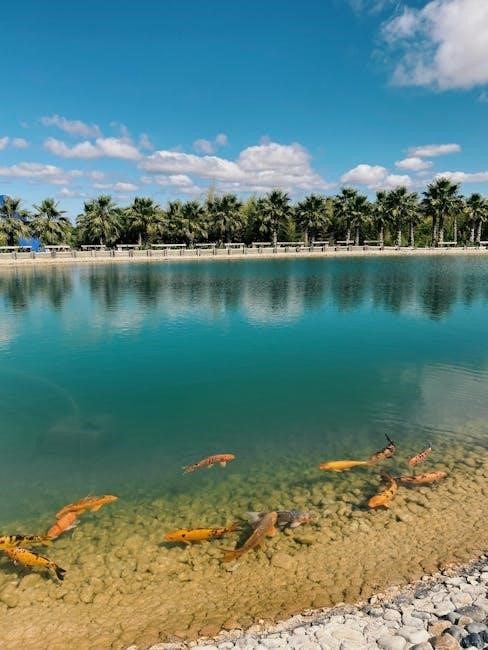
Required measures include the use of turf reinforcement mats, geotextiles, and properly compacted embankments. Vegetative cover is strongly encouraged on all slopes to bind the soil and reduce runoff velocity; Riprap or other armoring materials are mandated in areas prone to concentrated flow.
Regular inspections, as detailed by the FWC, are crucial to identify and address potential erosion issues promptly. The regulations emphasize the importance of maintaining adequate drainage to prevent hydrostatic pressure buildup, which can compromise slope stability over time.
Water Quality Standards for Retention Ponds
Florida’s revised retention pond laws, accessible in detailed PDF guides, establish stringent water quality standards to protect receiving waters. These standards address pollutant levels, nutrient concentrations, and overall ecological health, aligning with state and federal regulations.
Acceptable levels for pollutants like nitrogen, phosphorus, and suspended solids are clearly defined, requiring pond owners to implement BMPs for stormwater treatment. Regular water quality monitoring is often mandated, with reporting requirements outlined by local county governments and the FWC.
The regulations emphasize the importance of preventing oil, grease, and other hazardous materials from entering retention ponds. Algae control strategies, detailed in FWC resources, must prioritize environmentally sound methods, avoiding harmful chemical treatments whenever possible.
Acceptable Levels of Pollutants and Nutrients
The updated Florida retention pond laws, comprehensively detailed in accessible PDF documents, specify strict limits for pollutants and nutrients entering these systems. Nitrogen and phosphorus levels are key concerns, with maximum allowable concentrations varying based on watershed characteristics and receiving water classifications.
Total Suspended Solids (TSS) are also regulated, aiming to minimize turbidity and protect aquatic life. Acceptable levels for heavy metals, oil, and grease are defined to prevent contamination of groundwater and surface waters. These standards are enforced through regular inspections and water quality testing.
The FWC provides guidance on best management practices (BMPs) to achieve compliance, including filtration systems and vegetative buffers. Exceeding these pollutant thresholds can result in fines and corrective action orders, as outlined in the official regulations.
Algae Control and Management Strategies
Florida’s revised retention pond laws, detailed in readily available PDF resources, emphasize proactive algae control to maintain water quality and ecosystem health. Excessive algae blooms can disrupt oxygen levels and harm aquatic life, necessitating effective management strategies.
Approved methods include biological controls, such as introducing grass carp (with proper permitting), and the strategic application of EPA-approved algaecides. Regular nutrient monitoring is crucial to identify and address the root causes of algal growth, often stemming from excessive runoff.
The FWC recommends implementing vegetative buffers around ponds to filter pollutants and reduce sunlight penetration. Pond owners are responsible for developing and implementing algae management plans, adhering to strict guidelines to minimize environmental impact and ensure long-term pond functionality.
Maintenance and Inspection Protocols
The updated Florida retention pond laws, comprehensively outlined in accessible PDF documents, mandate strict maintenance and inspection protocols for all pond owners. Regular inspections are critical for identifying potential issues, such as structural damage, sediment buildup, and vegetation overgrowth, before they escalate.
Inspection frequency varies based on pond size and complexity, but annual assessments are generally required. Maintenance activities include debris removal, sediment dredging (when necessary), and vegetation control to maintain proper water flow and storage capacity. Detailed records of all inspections and maintenance must be maintained.
The FWC provides guidance on best management practices, emphasizing preventative measures to minimize long-term maintenance costs and ensure compliance with state regulations. Failure to adhere to these protocols can result in fines and corrective action orders.
Frequency of Inspections
The new Florida retention pond laws, detailed in readily available PDF resources, establish a tiered inspection frequency based on pond characteristics and potential risk factors. Generally, all retention ponds require a minimum of annual inspections conducted by a qualified professional.
However, ponds serving critical infrastructure or located in environmentally sensitive areas may necessitate semi-annual or even quarterly inspections. Post-storm event inspections are also mandatory to assess structural integrity and functionality. The FWC emphasizes proactive monitoring to identify and address potential issues promptly.
Detailed inspection reports, documenting findings and recommended actions, must be submitted to the relevant local authorities. These regulations aim to ensure consistent oversight and prevent failures that could lead to flooding or water quality degradation, as outlined in the official PDF guidelines.
Required Maintenance Activities (e.g., debris removal, vegetation control)
The updated Florida retention pond laws, comprehensively outlined in accessible PDF documents, mandate regular maintenance to ensure optimal functionality. Key activities include consistent debris removal – encompassing trash, leaves, and sediment – to prevent blockage of inlets and outlets.
Vegetation control is also crucial, requiring the management of both aquatic and upland plants to maintain drainage capacity and prevent invasive species dominance. Periodic sediment removal is necessary to restore pond volume and prevent nutrient buildup.
The FWC emphasizes the importance of erosion control measures, such as slope stabilization and repair of damaged structures. Detailed maintenance schedules and best practices are provided within the official PDF guidelines, promoting responsible pond stewardship and minimizing environmental impact for all landowners.
Reporting Requirements for Pond Owners
Florida’s revised retention pond laws, detailed in official PDF resources, establish specific reporting requirements for pond owners to ensure compliance and effective stormwater management. Owners must report any significant alterations to the pond’s structure or drainage system to the relevant local authorities.
Regular inspection reports, documenting maintenance activities and identifying potential issues, may be required depending on county regulations. Any instances of non-compliance, such as unauthorized modifications or neglected maintenance, must be promptly reported to the FWC or local governing bodies.
The PDF guidelines outline the specific forms and procedures for submitting these reports, promoting transparency and accountability. Failure to comply with reporting requirements can result in penalties, emphasizing the importance of diligent record-keeping and proactive communication with regulatory agencies.
Wildlife Considerations in Retention Pond Management
The updated Florida retention pond laws, accessible in comprehensive PDF guides, significantly emphasize wildlife protection within these managed ecosystems. Pond owners are now responsible for minimizing harm to native species and actively managing invasive populations.

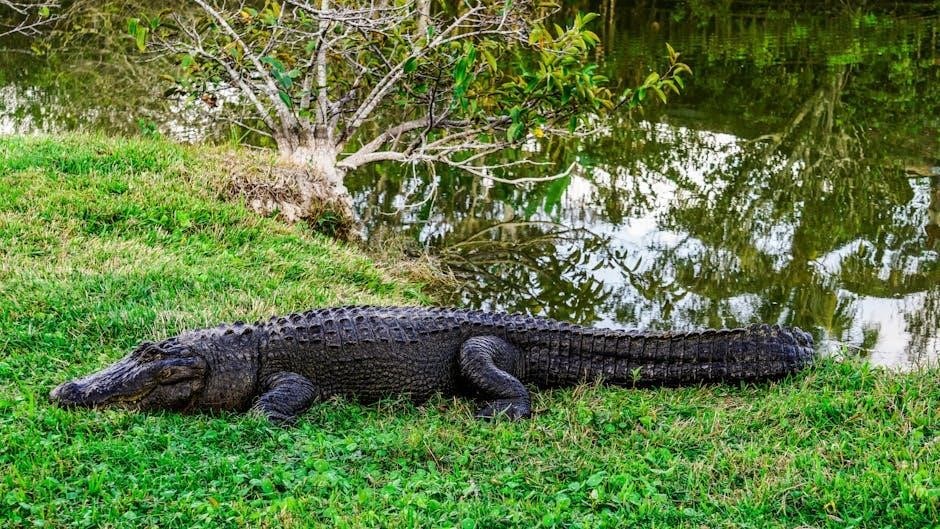
Regulations detail best practices for shoreline vegetation, promoting habitats beneficial to native wildlife while discouraging conditions favorable to invasive plants and animals. The FWC provides resources for identifying and addressing wildlife conflicts, such as nuisance alligators or problematic bird nesting.
Pond designs should incorporate features that facilitate wildlife movement and provide refuge. The PDF documents stress the importance of avoiding pesticide use that could harm aquatic life and encourage responsible pond management practices that coexist with Florida’s diverse fauna.
Protecting Native Species
The new Florida retention pond laws, detailed in readily available PDF resources, prioritize the safeguarding of native species within these often-overlooked habitats. Regulations now mandate pond owners to actively promote conditions favorable to indigenous flora and fauna, fostering biodiversity.
This includes preserving natural shoreline vegetation, which provides crucial nesting and foraging grounds for various species. The FWC’s guidance, outlined in the PDF documents, emphasizes avoiding vegetation removal during critical breeding seasons and selecting native plant species for landscaping.
Furthermore, pond management practices should minimize disturbance to existing wildlife populations. Responsible water level management and the avoidance of harmful chemicals are key components of protecting native species, ensuring the long-term health of these valuable ecosystems.
Managing Invasive Species
The updated Florida retention pond laws, comprehensively outlined in accessible PDF guides, place significant emphasis on controlling invasive species that threaten the ecological balance of these systems; These regulations mandate proactive measures to prevent the introduction and spread of non-native plants and animals.
Specifically, pond owners are now required to regularly monitor for and remove identified invasive species, utilizing methods approved by the FWC, detailed within the PDF resources. This includes species like hydrilla, water hyacinth, and various invasive fish.
The laws also discourage practices that could inadvertently facilitate the spread of invasives, such as improper disposal of aquarium plants or the use of contaminated equipment. Early detection and rapid response are crucial, and the FWC provides resources for identification and reporting of invasive species.
Addressing Wildlife Conflicts (FWC Resources)
The new Florida retention pond laws, detailed in readily available PDF documents, acknowledge potential conflicts between wildlife and human activity around these water bodies. The Florida Fish and Wildlife Conservation Commission (FWC) provides extensive resources to address these situations responsibly and legally.
These resources, accessible through the FWC website, offer guidance on handling nuisance animals, including alligators, snakes, and problem birds, often found near retention ponds. The PDF guides emphasize non-lethal methods of conflict resolution whenever possible, prioritizing animal welfare.
Pond owners are directed to contact the FWC’s Nuisance Wildlife Program for assistance with problematic animals, rather than attempting to handle them independently. The FWC also provides educational materials on coexisting with wildlife and preventing conflicts, promoting responsible stewardship of these ecosystems.
Enforcement and Penalties for Non-Compliance
The updated Florida retention pond laws, comprehensively outlined in accessible PDF documents, establish clear enforcement mechanisms for ensuring compliance. Non-adherence to regulations regarding permitting, design standards, maintenance, and water quality can result in significant penalties.
Common violations include failure to obtain necessary permits, improper debris removal, inadequate vegetation control, and exceeding allowable pollutant levels. Enforcement is typically carried out by local county governments, often in coordination with the FWC and the Department of Environmental Protection.
Penalties can range from warnings and corrective action orders – requiring pond owners to rectify violations within a specified timeframe – to substantial fines. Repeated or egregious violations may lead to further legal action, including civil penalties and potential legal prosecution, as detailed in the PDF guides.
Common Violations of Retention Pond Laws
Analysis of recent enforcement data, detailed within the new Florida retention pond laws PDF resources, reveals several frequently occurring violations. A primary issue is operating a retention pond without the required permits from local county governments or state agencies.
Insufficient maintenance is another prevalent problem, encompassing failures to remove accumulated debris, control invasive vegetation, and address erosion issues. Violations also arise from exceeding permissible pollutant levels in discharged water, impacting water quality standards.
Improperly designed or constructed ponds, failing to meet established slope stability and depth requirements, are also common. Neglecting regular inspections and failing to report issues promptly contribute to non-compliance. These violations often stem from a lack of awareness or insufficient understanding of the updated regulations, readily available in PDF format;
Fines and Corrective Action Orders
The new Florida retention pond laws PDF outlines a tiered system of penalties for non-compliance, ranging from warnings to substantial financial fines. Initial violations typically result in notices of non-compliance and opportunities for corrective action, as detailed in the documentation.
However, repeated or severe infractions can lead to fines reaching several thousand dollars per violation, per day. Beyond monetary penalties, the FWC and local authorities can issue corrective action orders, mandating specific remediation steps.
These orders may include debris removal, vegetation control, structural repairs, or even complete pond reconstruction. Failure to comply with corrective action orders can escalate penalties, potentially leading to legal action. The PDF emphasizes proactive compliance to avoid these consequences, offering resources for responsible pond management.
Resources and Further Information
The comprehensive “New Florida Retention Pond Laws” PDF serves as a primary resource, detailing regulations and best practices for pond owners and managers. The Florida Fish and Wildlife Conservation Commission (FWC) website (https://myfwc.com/conservation/you-conserve/recreation/pond-management/) provides extensive guidance.
This includes information on pond management techniques, wildlife conflict resolution, and conservation initiatives. Crucially, local county government regulations often supplement state laws, so consulting your county’s environmental protection department is essential.
Additional resources may be available through stormwater management utilities and local engineering firms specializing in pond design and maintenance. The FWC’s pond management section offers downloadable guides, FAQs, and contact information for regional experts, ensuring accessible support for all stakeholders.
FWC Pond Management Website
The Florida Fish and Wildlife Conservation Commission’s (FWC) dedicated Pond Management website (https://myfwc.com/conservation/you-conserve/recreation/pond-management/) is a central hub for information regarding retention pond regulations and best practices.
It provides access to downloadable resources, including the “New Florida Retention Pond Laws” PDF, covering permitting, design standards, and maintenance protocols. Users can explore sections on resolving wildlife conflicts, engaging in conservation efforts, and understanding acceptable pollutant levels.
The site features tools for “Buy and Apply” programs, aiding in aquatic plant control, and offers detailed guidance on managing invasive species. Furthermore, it connects users with regional FWC experts for personalized assistance, ensuring compliance with evolving state regulations and promoting responsible pond stewardship.
Local County Government Regulations
While the FWC provides statewide guidance on retention pond management, it’s crucial to recognize that individual Florida counties often implement more specific regulations. These local ordinances can supplement state laws, addressing unique regional environmental concerns and development patterns.
Accessing your county’s specific requirements is essential for ensuring full compliance. Many counties publish retention pond regulations as downloadable PDFs on their government websites, detailing permitting processes, design criteria, and inspection schedules.
These local rules may cover aspects like stormwater discharge rates, buffer zone requirements, and approved plant species. Contacting your county’s environmental protection or stormwater management department directly is recommended to obtain the most current and accurate information regarding retention pond regulations in your area.