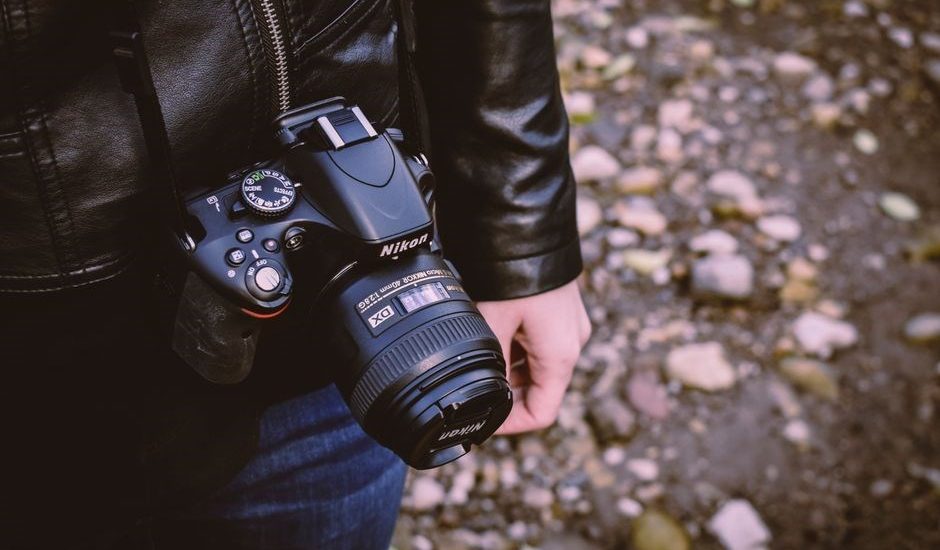
The Nikon D3300 is a lightweight, entry‑level DSLR that blends classic design with modern performance․ Its 24․2‑MP sensor delivers sharp detail, while a user‑friendly interface guides beginners through exposure and composition․ Ideal for students, hobbyists, and those seeking a reliable starter camera․
Overview of Design and Target Audience
The Nikon D3300 was engineered to bridge the gap between point‑and‑shoot convenience and the tactile control that DSLR enthusiasts crave․ Its compact body, weighing just under 1 kg with a standard kit lens, feels surprisingly sturdy thanks to a magnesium‑aluminum alloy frame that resists everyday wear․ The ergonomics are carefully tuned: a shallow grip provides a comfortable hold for both left‑ and right‑hand shooters, while the back‑lit LCD and fully articulating screen make framing from awkward angles a breeze․ The camera’s menu system, though feature‑rich, is intentionally streamlined; a single‑handed thumb‑wheel allows quick adjustments, and the “Easy Mode” menu offers a guided, step‑by‑step workflow that demystifies exposure settings for novices․ Under the hood, a 24․2‑megapixel DX‑format CMOS sensor paired with the EXPEED 4 image processor delivers crisp, low‑noise images even at high ISO values, making the D3300 a versatile tool for street, portrait, and low‑light photography․ The autofocus system, featuring 11 cross‑type points, is fast enough for everyday shooting yet precise enough for capturing fleeting moments․ Connectivity is handled via a micro‑USB port and optional Wi‑Fi, enabling quick image transfer to smartphones or tablets for instant sharing․ The D3300’s battery life, rated at 1,500 shots per charge, is ample for day‑long excursions․ Its balanced blend of affordability, performance, and user‑friendly design ensures that both newcomers and seasoned photographers find value in this compact powerhouse․․․

Physical Setup
The Nikon D3300’s compact body feels solid yet lightweight․ Begin by inserting the rechargeable battery, then slot the SD card into the rear slot․ Attach your chosen lens via the bayonet mount, ensuring the green dot aligns․ Finally, secure the lens with the twist lock for a firm fit and enjoy today!․
Installing Battery, Memory Card, and Mounting the Lens
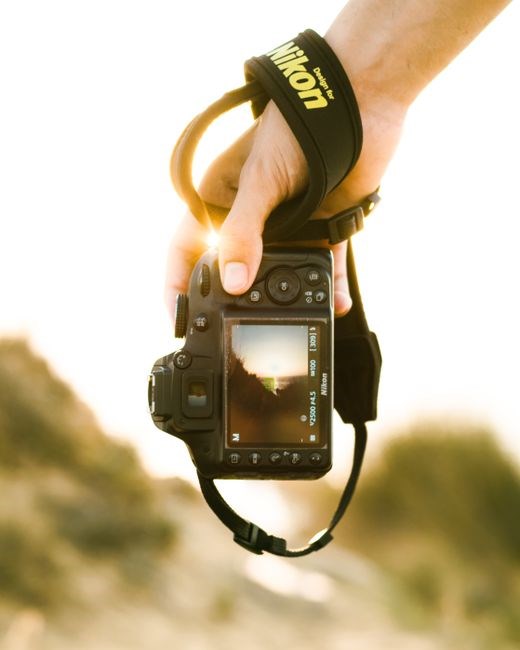
Begin by opening the battery compartment on the lower left side of the camera․ Insert the Nikon EN-EL15b rechargeable battery, ensuring the positive side faces the correct direction․ Slide the battery cover back into place until it clicks securely․ Next, locate the SD card slot on the rear side․ Open the slot cover, insert a compatible SD, SDHC, or SDXC card—make sure the card is fully seated and close the cover․ This step ensures the camera can access memory for image storage․ Finally, attach your lens by aligning the green dot on the lens mount with the corresponding dot on the camera body․ Gently insert the lens into the bayonet mount, turning it clockwise until you hear a click, indicating a firm lock․ Double‑check that the lens is fully seated and the lock is engaged before powering on the camera․ Proper installation of these components guarantees reliable operation and protects your equipment during shooting sessions․ Before powering on, double‑check that the battery is fully charged; a low battery indicator may prevent the camera from starting․ Verify that the memory card is formatted in the camera’s menu to avoid compatibility issues․ When mounting the lens, ensure the lens’s focus ring is set to the widest aperture to aid in quick focusing․ After securing the lens, gently press the shutter button to confirm the camera’s readiness․ If the camera does not power, inspect the battery contacts for dust and clean with a dry cloth․ Check battery indicator! Ok Keep cap on․

Power-On and First-Time Setup
Press the power button to start the Nikon D3300․ Follow the on‑screen prompts: select language, date/time, and connect to Wi‑Fi if desired․ Then choose a shooting mode and adjust basic settings like ISO and white balance․ Save settings and you’re ready to shoot!!!
Initial Power-On Procedure
Before turning on the Nikon D3300, ensure the battery is fully charged and inserted correctly․ The battery compartment is located on the bottom of the camera; open the latch, place the battery, and close the door until it clicks․ Next, insert a compatible SD or SDHC memory card into the slot on the side of the camera․ The card should be formatted in the camera’s menu if it is new․ Once the hardware is in place, press the power button located on the top right of the camera․ The camera will display a startup screen that includes a brief system check․ If the camera detects a low battery or missing card, a warning will appear․ After the system check completes, the camera will prompt you to select a language, set the date and time, and choose a basic shooting mode․ Follow the on‑screen instructions to complete these initial settings․ Once the setup is finished, the camera will return to the main menu, ready for shooting․ For first‑time users, it is recommended to review the quick‑start guide in the manual to familiarize yourself with the basic controls and menu navigation․ The camera’s interface is designed for quick access to settings, with a multi‑dial for exposure and a customizable menu․ It also includes a built‑in 3‑inch LCD for previewing images․ The D3300 supports RAW and JPEG formats, giving photographers flexibility․ For advanced users, the camera can be connected to a computer via USB for firmware updates and image transfer․ Always keep the battery charged and the memory card formatted to ensure smooth operation․ Enjoy
Menu System Overview
The Nikon D3300 menu is organized into three main sections: Setup, Shooting, and Custom․ Each section contains submenus for settings such as image quality, exposure, focus, and playback․ Navigation uses the multi‑dial and buttons, with quick‑access icons for common tasks․ Use menu for quickadjustments․
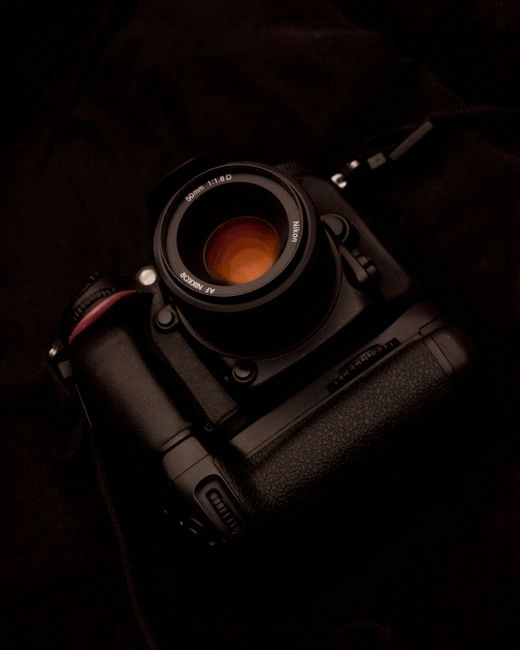
Menu Hierarchy and Key Functions
The Nikon D3300 menu is divided into three primary categories: Setup, Shooting, and Custom․ Each category contains several submenus that control camera functions․ The Setup menu handles camera settings such as language, date/time, and power‑off behavior․ The Shooting menu contains image quality, exposure, focus, and playback options․ The Custom menu allows users to assign functions to the custom buttons, adjust white balance presets, and manage file naming․
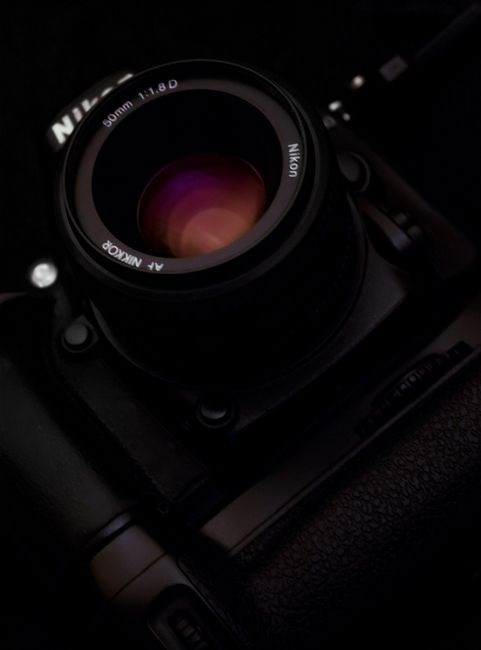
Navigation is performed with the multi‑dial, the OK button, and the menu button․ The menu hierarchy is linear and intuitive, with a back arrow to return to previous screens and a “OK” to confirm selections․ The camera also features a quick‑access menu that can be toggled on the main screen for rapid access to essential settings such as ISO, shutter speed, and aperture․
The sensor supports RAW output
Additionally, the D3300 offers a built‑in 3‑point autofocus system that quickly locks focus on subjects The camera’s 3‑point metering system evaluates the scene and adjusts exposure accordingly․ Users can also set custom white‑balance presets for different lighting conditions, and the camera’s auto‑ISO feature adapts to low‑light environments without compromising image quality․

Shooting Modes and Exposure
The Nikon D3300 offers Auto, Scene, and Manual modes, each tailored to different shooting scenarios․ Auto mode simplifies exposure, Scene mode presets settings for specific subjects, while Manual mode gives full control over aperture, shutter speed, and ISO for creative flexibility․ Enjoy shooting! !!
Auto, Scene, and Manual Modes
The Nikon D3300’s shooting modes are designed to accommodate photographers of all skill levels․ In Auto mode the camera automatically selects aperture, shutter speed, ISO, and white balance, making it ideal for quick snapshots or when you want to focus solely on composition․ Scene mode offers a range of preset configurations—such as Portrait, Landscape, Night Scene, and Sports that fine‑tune exposure and contrast for specific subjects, providing consistent results with minimal effort․ Manual mode grants full creative control: you set aperture, shutter speed, and ISO independently, allowing you to craft depth of field, motion blur, or high‑speed freezes․ Each mode is accessible via the mode dial on the top of the camera, and the LCD display provides real‑time feedback so you can adjust settings on the fly․ When using Auto, the camera’s metering system evaluates the scene and applies exposure compensation if needed․ In Scene, you can also tweak the exposure compensation slider to brighten or darken the image without leaving the preset․ Manual mode requires you to understand exposure triangles; the camera’s histogram and focus peaking assist in achieving the desired outcome․ These modes work together to give you flexibility from beginner to advanced shooting scenarios․ The D3300’s 3‑point autofocus quickly locks focus, while the exposure lock button keeps settings steady during panning, producing sharp shots daily!now!
Turn the mode dial to select a setting․ The LCD shows the mode icon and current values․ Press the i button for quick adjustments․ Thanks․!!!!!!!!
Adjusting Exposure Parameters (Aperture, Shutter Speed, ISO)
The Nikon D3300 automatically manages exposure, simplifying shooting․
The camera’s multi‑dial system lets you adjust each parameter․
To change the aperture, turn the main dial while the camera allows manual aperture control; the viewfinder will display the f‑number․
Shutter speed is altered by rotating the secondary dial, and the LCD will show the current speed in fractions of a second․
ISO can be set by pressing the ISO button and selecting a value from the on‑screen menu; higher ISO values increase sensor sensitivity, useful in low light but may introduce noise․
The exposure meter in the viewfinder provides a real‑time indication of whether the current settings will produce a correctly exposed image․
If the meter shows a green bar, the exposure is balanced; a yellow bar indicates under‑exposure, and a red bar signals over‑exposure․
You can fine‑tune exposure by using the exposure compensation button, which shifts the meter’s target by 1/3‑step increments․
Remember that changing one parameter often requires adjustments to the others to maintain the desired exposure․
For example, opening the aperture to f/2․8 will let in more light, so you may need to increase shutter speed or lower ISO to avoid over‑exposure․
The D3300’s built‑in histogram also helps you judge exposure distribution across the frame, ensuring highlights and shadows are captured accurately․

By mastering these controls, you can achieve professional‑quality results in any lighting situation today!!
Advanced Features & Maintenance
The D3300 offers customizable buttons, firmware updates, and a robust cleaning kit․ Assign functions to the top and bottom buttons for quick access․ Keep the sensor dust‑free with the supplied cleaning swab,and store the camera in a dry case to prevent corrosion
Custom Buttons and Firmware Updates
The Nikon D3300 allows users to assign custom functions to the top and bottom buttons, enhancing shooting efficiency․ To configure, press the Menu button, navigate to the Custom Settings menu, and select the button assignment option․ Choose the desired function—such as ISO, white balance, or autofocus mode—and confirm․ This flexibility is especially useful for photographers who prefer quick access to frequently used settings․
Firmware updates bring new features, improved performance, and bug fixes․ To update, download the latest firmware from Nikon’s official website onto a USB flash drive․ Insert the drive into the camera’s USB port, then follow the on‑screen prompts to complete the installation․ Always ensure the battery is fully charged before updating to avoid interruptions․
Regular updates can also enhance compatibility with newer lenses and accessories, ensuring the D3300 remains current․ Keep a record of the firmware version in the camera’s setup menu for reference․ If an update fails, reset the camera to factory settings and retry the process․
Store the D3300 in a cool, dry place and cover the lens when not shooting․ Back up photos to an external drive or cloud, and use a dedicated card reader for quick transfers․ Check battery health regularly; a weak battery can cause sudden shutdowns․ Follow these simple steps to keep the camera reliable and protect image quality․
Keep the camera’s firmware updated for best performance․
Cleaning, Storage, and Troubleshooting Common Issues
Proper maintenance keeps the Nikon D3300 reliable․ Use a soft, lint‑free microfiber cloth to wipe the exterior and lens hood․ For the sensor, employ a dedicated sensor‑cleaning kit; apply the cleaning fluid to the sensor pad, then gently lift the pad off the sensor․ When cleaning the viewfinder, use a clean, dry brush to remove dust without scratching the glass․ After cleaning, let the camera dry completely before re‑assembling․ Keep․
Store the camera in a climate‑controlled environment, ideally between 15 °C and 25 °C with humidity below 60 %․ Keep the body in its protective case when not in use, and avoid placing heavy objects on top of the camera․ Store memory cards in a sealed pouch and moisture․ When traveling, use a padded camera bag and secure the lens with a strap to prevent sudden drops․
Common issues include a black screen, shutter not firing, or the camera refusing to power on․ If the screen remains black, check the lens mount for loose connections and ensure the battery is fully charged․ A shutter that won’t fire often indicates a mechanical fault; in this case, consult a Nikon service center․ Power‑on failures may be due to a dead battery or a faulty power connector; try a fresh battery and clean the contacts with a cotton swab lightly dampened with isopropyl alcohol․
For persistent problems, reset the camera to factory settings via the Setup menu․ If the issue persists, update the firmware to the latest version, as some bugs are resolved in newer releases․ Keep a log of error codes displayed on the LCD; this information helps technicians diagnose problems more efficiently․ Regular cleaning, proper storage, and timely firmware updates will extend the life of the D3300 and maintain image quality․