Nevro Spinal Cord Stimulator Instructions: A Comprehensive Guide
This guide assists individuals contemplating or receiving a Nevro Senza Spinal Cord Stimulator (SCS) for pain management, acknowledging unique medical requirements and conditions.
Understanding the Nevro Senza System
The Nevro Senza Spinal Cord Stimulator (SCS) system represents a significant advancement in chronic pain management technology. Unlike traditional SCS systems, Nevro utilizes a 10 kHz Therapy, designed to deliver a more targeted and effective stimulation pattern. This high-frequency therapy aims to provide substantial pain relief with a broader coverage area, minimizing the sensation often experienced with conventional low-frequency stimulation.
The system comprises several key components: the Implantable Pulse Generator (IPG), which delivers the electrical pulses; leads, thin wires implanted near the spinal cord; and a Patient Remote Control, allowing patients to adjust stimulation parameters within prescribed limits. Nevro’s Senza system is also designed with MRI compatibility in mind, offering flexibility for diagnostic imaging when needed. Understanding these components and the unique 10 kHz Therapy is crucial for maximizing the benefits of the Nevro Senza system.
What is Spinal Cord Stimulation (SCS)?
Spinal Cord Stimulation (SCS) is a well-established pain management technique involving the delivery of low-intensity electrical impulses to the spinal cord. These impulses interfere with pain signals traveling to the brain, effectively reducing the perception of chronic pain. SCS doesn’t eliminate the source of pain, but rather alters how the brain interprets those pain signals, providing significant relief for conditions like failed back surgery syndrome, complex regional pain syndrome, and peripheral neuropathy.
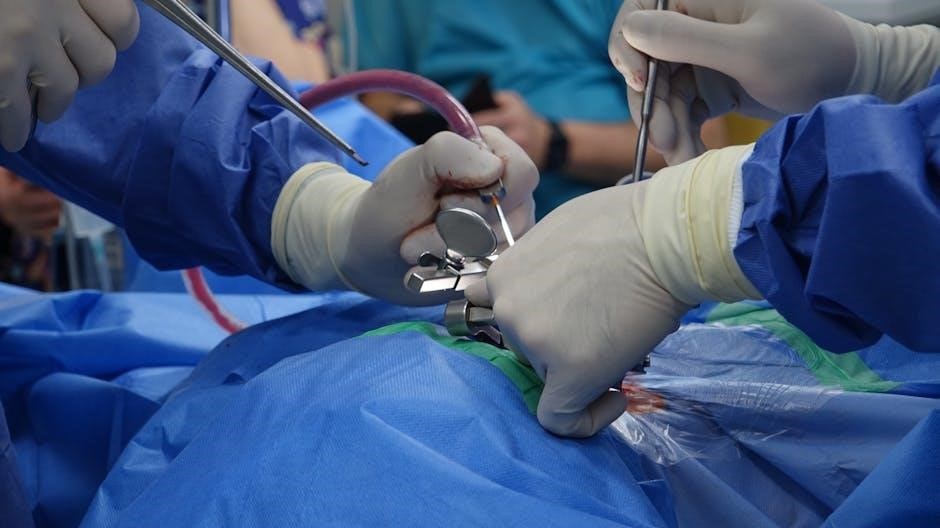
The therapy involves implanting a small device, typically near the lower back, connected to thin wires (leads) positioned along the spinal cord. A patient remote control allows for adjustments to the stimulation settings. SCS is generally considered when conservative pain management approaches, such as medication and physical therapy, have proven insufficient. It’s a reversible procedure, offering a potential pathway to improved quality of life for those suffering from chronic pain.
How Does Nevro SCS Differ?
Nevro SCS distinguishes itself through its innovative 10 kHz Therapy, a high-frequency stimulation that provides a more targeted and effective pain relief experience compared to traditional low-frequency SCS. This higher frequency minimizes the sensation of tingling often associated with conventional stimulation, delivering pain relief with less paresthesia.
The Nevro Senza system also features dynamic pain management, allowing for personalized programming and adjustments to optimize therapy based on individual needs and pain patterns. Its design aims to restore the body’s natural pain-relieving mechanisms, offering broader coverage and more comfortable stimulation. Furthermore, Nevro’s systems are designed with MRI compatibility in mind, allowing for diagnostic imaging when necessary, a crucial advantage for comprehensive patient care.
Pre-Implantation: What to Expect
Before a permanent implant, patients undergo a thorough evaluation, potentially including a temporary trial to assess responsiveness and optimize stimulation parameters.
Initial Consultation and Evaluation
The first step involves a detailed discussion with your pain management physician regarding your pain history, previous treatments, and overall health. This consultation aims to determine if you are a suitable candidate for Nevro Spinal Cord Stimulation (SCS).
A comprehensive physical and neurological examination will be performed to assess the nature and location of your pain. Your doctor will review any relevant imaging studies, such as X-rays or MRIs, to gain a better understanding of the underlying cause of your discomfort.
Expect questions about your pain’s impact on daily activities, sleep, and quality of life. The physician will also explore your expectations regarding SCS therapy; This evaluation helps establish realistic goals and ensures that SCS aligns with your individual needs and circumstances. A Nevro representative may also be involved in this process.
Temporary Trial Stimulation
Before committing to a permanent implant, a temporary trial is crucial. This involves a non-surgical procedure where temporary leads are placed near your spinal cord. These leads are connected to an external stimulator, allowing you to experience the therapy firsthand.
The trial typically lasts several days to a week, during which you’ll adjust stimulation parameters with a patient remote control. You’ll be asked to keep a pain diary, documenting your pain levels and the effectiveness of the stimulation. This helps determine if SCS provides significant pain relief.
Throughout the trial, regular follow-up appointments with your physician are essential. They will assess your response to the stimulation and make necessary adjustments. Successful trial results are a strong indicator that a permanent implant may be beneficial.
Preparing for the Permanent Implant
If the temporary trial demonstrates significant pain relief, your doctor will discuss proceeding with a permanent implant. This involves a surgical procedure to place the Nevro Senza IPG (Implantable Pulse Generator) and leads. Pre-operative evaluations, including blood tests and a physical exam, are necessary to ensure you’re a suitable candidate.
Your physician will thoroughly explain the surgical process, potential risks, and expected recovery period. Medication adjustments may be required before surgery, and you’ll receive specific instructions regarding fasting and hygiene. It’s crucial to disclose all medications and allergies to your medical team.
Arrange for transportation to and from the surgical facility and have someone available to assist you during the initial recovery phase. Prepare your home environment for a comfortable recovery, minimizing potential hazards.
Post-Implantation: Managing Your Device
Following implantation, understanding your Patient Remote Control is vital for adjusting stimulation, optimizing pain relief, and communicating with your healthcare provider effectively.
Patient Remote Control Operation
Your Nevro Senza system’s Patient Remote Control empowers you to manage your therapy. To turn the system on, power on the remote and press either the ‘Up’ or ‘Down’ button. This restores the IPG to pre-MRI settings, if necessary, and reactivates stimulation.
The remote allows you to adjust stimulation levels within prescribed parameters. Familiarize yourself with the buttons for increasing or decreasing intensity. Remember, changes should be made gradually and in consultation with your pain management physician.
It’s crucial to understand the remote’s functions, including how to lock the device to prevent accidental adjustments; Regularly check the battery level of the remote and replace it as needed to ensure uninterrupted control over your therapy. Always follow your doctor’s guidance regarding remote operation.
Programming and Adjustments
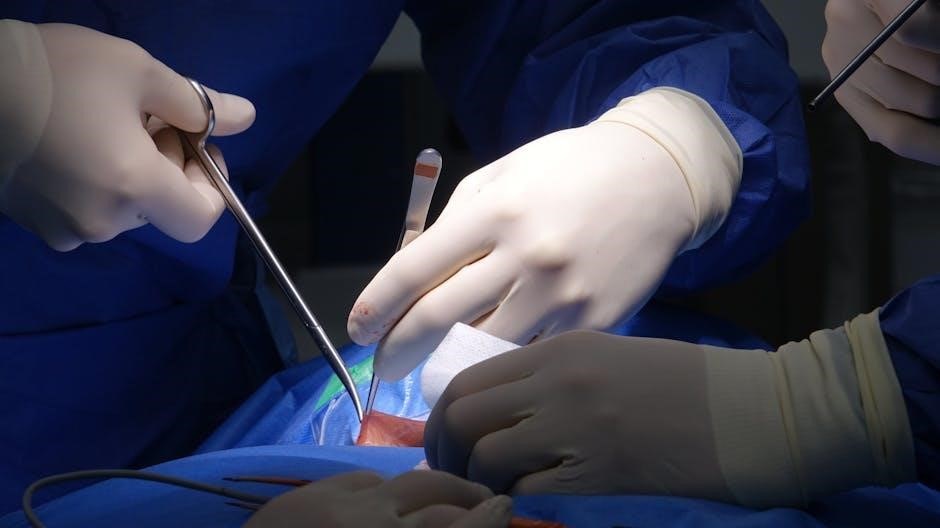
Your Nevro Senza system requires precise programming by a qualified healthcare professional to optimize pain relief. Initial programming establishes baseline settings tailored to your specific pain patterns and anatomy. Adjustments are crucial as your body adapts or your pain evolves.
The implanting physician or a trained pain management specialist utilizes specialized software to modify stimulation parameters, including amplitude, pulse width, and frequency; These adjustments fine-tune the electrical field to effectively target your pain generators.
Regular follow-up appointments are essential for ongoing programming and optimization. Communicate openly with your doctor about your pain levels and any changes you experience. They will use this feedback to refine your therapy and ensure continued effectiveness. Never attempt to reprogram the device yourself.
Understanding Stimulation Settings
Nevro SCS utilizes several key stimulation settings to personalize your pain relief. Amplitude controls the strength of the electrical pulse, influencing the intensity of sensation. Pulse width determines the duration of each pulse, impacting the quality of stimulation. Frequency dictates the number of pulses delivered per second, affecting the perceived sensation.
These parameters are carefully adjusted by your physician to create a comfortable and effective stimulation pattern. You may experience different sensations – tingling, tapping, or a warm sensation – depending on the settings. It’s vital to communicate these sensations to your doctor.

The goal is to find settings that provide optimal pain relief without causing unpleasant side effects. Your physician will explain each setting and how it contributes to your overall therapy. Understanding these settings empowers you to participate actively in your pain management journey.

Safety and Precautions
Always follow guidelines regarding MRI compatibility and potential electromagnetic interference (EMI). Proper device disposal, avoiding fire, and returning IPGs to Nevro are crucial.
MRI Compatibility
The Nevro Senza system demonstrates conditional MRI compatibility, but strict adherence to outlined protocols is paramount for patient safety. Before any MRI scan, it’s essential to verify the system’s MRI compatibility status and follow specific instructions.
The referring physician, implanting physician, a Nevro representative, or even the patient themselves, must turn the IPG on and restore it to pre-MRI settings. This restoration utilizes the Patient Remote control. Following the scan, the IPG must be returned to its original stimulation settings.
Failure to follow these procedures could potentially lead to device malfunction or patient injury. Detailed MRI guidelines are available in the product manual and should be thoroughly reviewed by all involved parties prior to the procedure. Always prioritize safety and confirm proper settings before and after the MRI scan.
Electromagnetic Interference (EMI)
Spinal Cord Stimulators, like the Nevro Senza system, can be susceptible to Electromagnetic Interference (EMI) from various sources. EMI may cause unintended changes in stimulation, potentially leading to discomfort or a temporary loss of therapy. Common sources include cellular phones, anti-theft devices, and certain industrial equipment.
While the Nevro system is designed to minimize EMI effects, patients should exercise reasonable caution. Maintain a distance of at least six inches from potential EMI sources. Avoid prolonged exposure to strong electromagnetic fields.
If you experience an unexpected change in your stimulation, move away from potential EMI sources. If the issue persists, contact your pain management physician or a Nevro representative for assistance. Understanding and mitigating EMI risks is crucial for consistent and effective pain management.
Device Disposal
Proper disposal of your Nevro Spinal Cord Stimulator components – the Implantable Pulse Generator (IPG), Patient Remote Control, and Charger – is essential for safety and environmental responsibility. Do not dispose of these devices in fire, as the batteries within can explode, posing a significant hazard.
In the event of cremation, the IPG must be explanted prior to the procedure. All explanted IPGs should be returned to Nevro Corp. for proper handling and recycling. Do not discard electrical components, including batteries, with unsorted municipal waste.
Instead, adhere to local regulations for the disposal of electronic waste. This ensures environmentally sound practices and prevents potential harm. Contact your physician or Nevro for specific return instructions and to ensure compliance with all applicable guidelines;

Troubleshooting Common Issues
Addressing potential problems like stimulation loss, battery concerns, or remote malfunctions is crucial for consistent pain relief with your Nevro SCS system.
Loss of Stimulation
Experiencing a sudden loss of stimulation can be concerning, but several factors might contribute to this issue. First, ensure the Patient Remote Control is powered on and functioning correctly; try replacing the batteries if necessary.
Verify the stimulation settings haven’t been unintentionally altered. If the issue persists, check the IPG (Implantable Pulse Generator) status – it may require recharging or a programming adjustment by your physician.
Occasionally, external factors like electromagnetic interference (EMI) can temporarily disrupt the signal. Move away from potential sources of EMI, such as large metal objects or certain electronic devices.
If stimulation remains absent, contact your pain management physician or a Nevro representative immediately. They can remotely assess the system, restore pre-MRI settings if applicable, and determine if a visit for reprogramming or further evaluation is needed. Remember, turning the IPG on and restoring settings is vital.
Battery Life and Charging
The longevity of your Nevro Senza IPG battery depends significantly on your programmed stimulation settings and usage patterns. Higher intensity settings will naturally deplete the battery faster than lower ones. Your physician will discuss estimated battery life during your initial programming sessions.
When the battery reaches a predetermined low level, you’ll receive a notification, prompting you to charge the device. Utilize the provided Nevro charger, ensuring a secure connection. Charging times vary, but typically require several hours for a full recharge.
Avoid using chargers not specifically designed for your Nevro IPG, as this could damage the device. It’s crucial to keep the charger and IPG dry during the charging process. Regularly monitor the battery level through your Patient Remote Control to proactively manage charging schedules.
Contact your physician or Nevro if you experience difficulties with charging or notice a significantly reduced battery life, as this may indicate a system issue.
Remote Control Malfunctions
If your Patient Remote Control isn’t functioning correctly, begin by ensuring it’s adequately charged. A low battery can cause erratic behavior or complete failure to power on. Try replacing the batteries with fresh ones, if applicable, and confirm proper battery installation.
Should the remote still malfunction, attempt a reset by turning it off and then back on. If the issue persists, verify that the remote is within range of your implanted IPG. Obstructions or excessive distance can interfere with communication.
Do not attempt to repair the remote control yourself. Contact Nevro support or your pain management physician immediately to report the malfunction. They can provide troubleshooting guidance or arrange for a replacement remote.
Until a functioning remote is available, you may be unable to adjust stimulation parameters. Follow your physician’s instructions regarding temporary settings or contacting them for assistance.
Long-Term Management
Consistent follow-up appointments and adherence to your physician’s guidance are crucial for sustained pain relief and optimal device functionality over time.
Follow-Up Appointments
Regular follow-up appointments with your pain management physician are a vital component of your long-term success with the Nevro Senza Spinal Cord Stimulator system. These appointments allow for careful monitoring of your pain levels, device performance, and overall well-being.
During these visits, your physician will assess the effectiveness of your current stimulation settings and make any necessary adjustments to optimize pain relief. They will also evaluate the device’s functionality, including battery life and lead integrity. It’s important to openly communicate any changes in your pain, stimulation sensations, or any concerns you may have.
Scheduled check-ups typically occur at defined intervals after implantation, gradually becoming less frequent as your therapy stabilizes. However, you should contact your physician promptly if you experience any unexpected issues or changes in your condition between appointments. Maintaining open communication ensures the best possible outcome with your Nevro SCS system.
Long-Term Effectiveness of Spinal Cord Stimulation
The long-term effectiveness of spinal cord stimulation with the Nevro Senza system is well-documented, offering sustained pain relief for many individuals. However, it’s crucial to understand that results can vary depending on individual factors, including the nature of your pain, overall health, and adherence to the prescribed therapy plan.
Many patients experience significant and lasting reductions in pain, improved functionality, and enhanced quality of life. While SCS doesn’t eliminate pain entirely for everyone, it can substantially decrease its intensity and impact, allowing for greater participation in daily activities.
Continued follow-up care and adjustments to stimulation parameters are essential for maintaining long-term effectiveness. The Nevro Senza system’s advanced features, like 10 kHz Therapy, contribute to its proven track record, but consistent management is key to optimizing outcomes over time.
Accessing Product Manuals & Documents for Patients
Nevro provides comprehensive product manuals and documents specifically designed for patients utilizing the Senza Spinal Cord Stimulation system. It’s important to note that available literature can differ based on your geographical location, so accessing region-specific materials is crucial. Always utilize documentation relevant to where your procedure was performed.
These manuals are subject to updates and revisions to reflect the latest advancements and best practices. Therefore, it’s recommended to regularly check for the most current version available on the official Nevro website. You can find these resources conveniently located on a dedicated patient support page.
The online portal offers downloadable guides covering various aspects of the device, including operation, troubleshooting, and safety information. Selecting the correct HFX region is a required step to ensure you receive the appropriate documentation for your Senza system.